How to Leverage Your Tech Background for a Career in Telehealth Nursing
Contents
- Understanding Telehealth Nursing
- What types of patients are typically served through telehealth?
- Identifying Transferable Skills from Tech Backgrounds
- How can experience in tech project management benefit a career in telehealth?
- How to Bridge the Knowledge Gap
- Networking and Professional Development
- Preparing for the Job Market
- How can I effectively communicate my tech background in interviews?
- Continuous Learning and Certification
- Overcoming Challenges in the Transition
- Embracing the Future of Telehealth Nursing
- Sources
Telehealth nursing is a growing career path in health care.
This field offers a unique opportunity for professionals with a tech background to blend healthcare expertise with technological skills, driving innovation in patient care. Whether transitioning from IT or seeking to enhance your nursing career, leveraging your tech knowledge can open doors to new opportunities.
This article covers how to turn tech skills into a telehealth nursing career.
Understanding Telehealth Nursing
Nursing has long been regarded as a noble profession, defined by its commitment to compassionate patient care and unwavering support. Statista counted around 3.1 million nurses working in the US in 2022. The U.S. Bureau of Labor Statistics now puts registered nurse jobs at about 3.5 million in 2025.
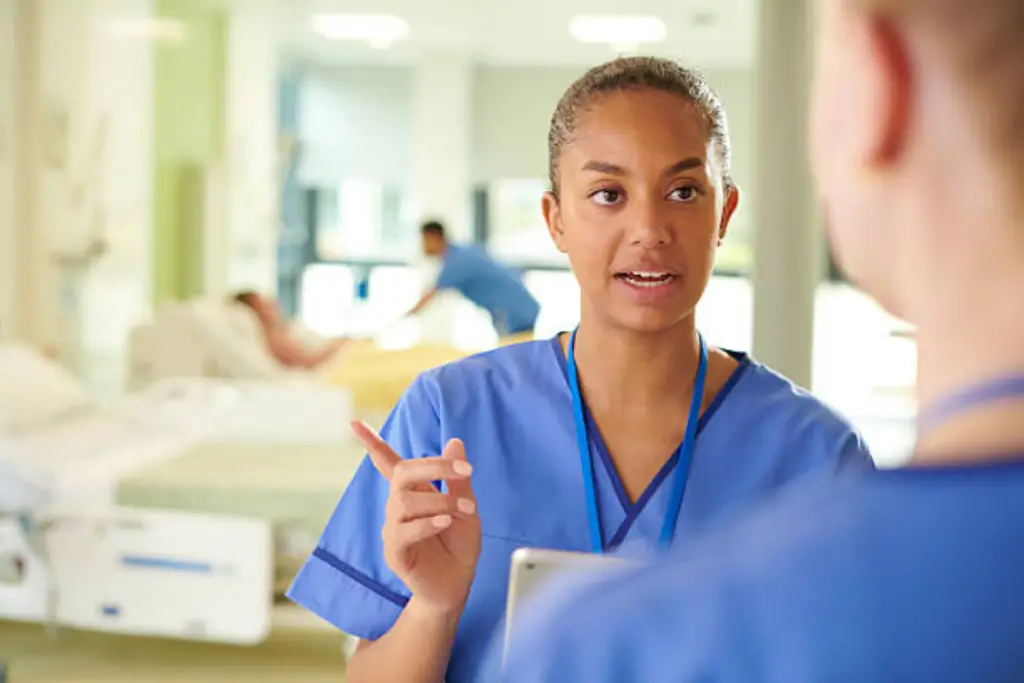
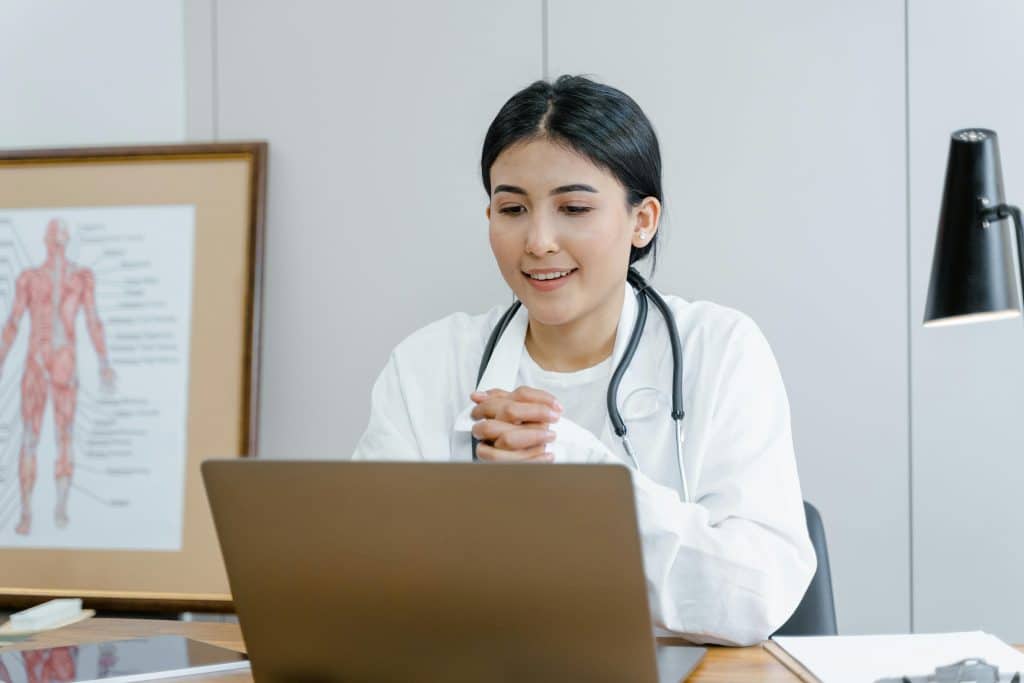
Telehealth nursing takes this dedication a step further by integrating advanced technology into the practice, allowing nurses to provide care remotely. Telehealth nursing is about offering nursing care and support remotely using telecommunications technology like video calls or mobile phones.
It allows nurses to assess, monitor, and educate patients without meeting in person.
Telehealth nursing combines traditional care values with technology. It makes care easier to reach, particularly for people living in remote areas.
What types of patients are typically served through telehealth?
Telehealth typically serves patients in rural or underserved areas, those with chronic conditions requiring regular monitoring, and individuals with mobility challenges. These patients benefit from telehealth by gaining easier access to medical care, timely consultations, and ongoing support without personal meetings.
Identifying Transferable Skills from Tech Backgrounds
Having a tech background offers numerous advantages in any career, particularly in fields like telehealth nursing. For instance, tech-savvy nurses can efficiently use electronic health records, utilize telemedicine platforms, and implement data-driven care strategies.
Not just the nurses but even the doctors need to be tech-savvy as they also need to practice telemedicine. Telemedicine refers specifically to the use of technology to provide clinical healthcare services remotely, such as diagnosing and treating patients through video consultations.
Telemedicine is now common. A CDC report found that 37% of U.S. adults used telemedicine in 2021, and use rose with age, from 29.4% of adults aged 18-29 to 43.3% of those 65 and older.
Tech expertise enhances patient care by enabling quicker, more accurate decision-making and improving communication between healthcare providers.
Additionally, understanding cybersecurity helps protect sensitive patient information, ensuring compliance with privacy regulations. Ultimately, a tech background empowers nurses to integrate technology seamlessly into their practice, driving innovation and improving patient outcomes.
How can experience in tech project management benefit a career in telehealth?
Experience in tech project management benefits a telehealth career by equipping professionals with the skills to efficiently implement and manage telemedicine systems. This expertise helps streamline operations, improve patient care delivery, and drive successful telehealth initiatives by aligning technology with clinical needs.
How to Bridge the Knowledge Gap
The knowledge gap denotes the disparity between a tech professional’s technological skills and the medical knowledge needed for effective nursing. This gap is significant, as understanding clinical practices is crucial for delivering quality patient care, especially in telehealth, where remote assessments are key.
To bridge this gap, professionals can pursue accelerated BSN programs online, designed for people who already hold a bachelor’s degree in another field. These programs typically take 12-18 months and pair online coursework with on-campus labs and in-person clinical rotations.
After graduating, you’ll need to pass the NCLEX-RN to become a registered nurse before moving into a telehealth role. Your tech background can then make you more effective with telehealth tools.
Networking and Professional Development
Networking and professional development help telehealth nurses keep learning and collaborating. Telehealth professionals can connect with peers, share best practices, and stay updated. This exchange of knowledge helps nurses refine their telehealth skills, adopt innovative approaches, and enhance patient care.
Workshops, certifications, and conferences help telehealth nurses stay competitive, expand their expertise, and advance their careers.
Preparing for the Job Market
Preparing for the job market in telehealth nursing involves gaining specialized skills and certifications that align with the demands of this growing field. By focusing on areas such as telemedicine technology, patient communication, and remote monitoring, nurses can position themselves as valuable assets in healthcare.
As telehealth continues to expand, being well-prepared enables nurses to adapt to new challenges, stay relevant, and contribute effectively to patient care.
How can I effectively communicate my tech background in interviews?
Highlight your specific skills and experiences that are directly applicable to telehealth nursing, such as proficiency in telemedicine platforms, data management, or cybersecurity. Emphasize how these skills enhance patient care, streamline operations, and improve communication within a healthcare setting, demonstrating your ability to integrate technology into nursing.
Continuous Learning and Certification
Continuous learning and certification matter in telehealth nursing. A 2023 study of nurses’ telemedicine skills, published on the National Library of Medicine site, cites a literature review attributing 70% of telemedicine implementation failures to medical staff being unable to use the technology.
Therefore, as technology and healthcare practices rapidly evolve, ongoing education ensures that professionals stay current with the latest developments, tools, and best practices.
Earning certifications not only validates your expertise but also demonstrates a commitment to professional growth, making you more competitive in the job market. Certifications in telehealth, for instance, can enhance your credibility, open doors to specialized roles, and provide opportunities for career advancement.
By continuously expanding your knowledge and skills, you can adapt to industry changes, maintain high standards of care, and advance your career.
Overcoming Challenges in the Transition
Moving from tech into nursing has its own challenges: clinical knowledge, patient communication, and the demands of nursing school and licensing. Medical devices and clinical data systems may also be new to you.
Nursing coursework, clinical rotations, and workshops on healthcare technology can help bridge those gaps. Additionally, breaking down complex tasks into manageable steps and gradually increasing your technical proficiency allows for a smoother transition, ensuring success.
Embracing the Future of Telehealth Nursing
Incorporating your tech background into telehealth nursing can lead to a fulfilling and innovative career. By embracing continuous learning, gaining certifications, and overcoming transition challenges, you can effectively bridge the gap between technology and healthcare. With proper technical knowledge, you can position yourself at the forefront of modern patient care.
Sources
- Telemedicine Use Among Adults: United States, 2021, CDC National Center for Health Statistics
- Registered Nurses, U.S. Bureau of Labor Statistics
- Nurses' perceived knowledge, self-confidence, and attitudes in using telemedicine: A case study from West Indonesia, Enfermería Clínica (via PubMed Central)