ACT
How ACT Reviewers And Guides Help You Boost Your ACT Score
ACT study guides and practice tests show what each section covers, from English and math to the optional science and writing tests.

ACT · Updated · Page 3 of 5
ACT study guides and practice tests show what each section covers, from English and math to the optional science and writing tests.
ACT Math gives you 50 minutes for 45 questions that get harder as you go. Use these 5 tips to avoid careless errors and raise your math score.
Colleges use ACT scores to compare applicants, place students in courses, and award scholarships. A 30 is at the 94th percentile. Learn more.
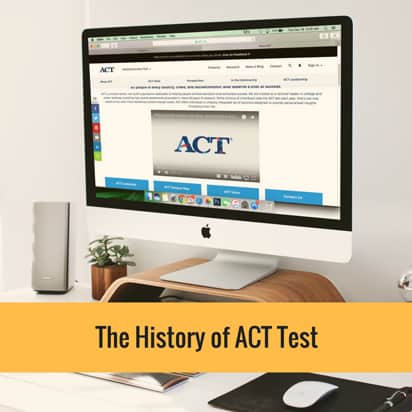
The history of the ACT test: first given in November 1959, it added Reading and Science in 1989, optional Writing in 2005, and went shorter in 2025.
To improve your ACT Science score, practice reading graphs and experiments and pace the 40 questions in 40 minutes. 8 tips for the optional section.
Last-minute ACT review tips: study your practice test mistakes, pace each section, sleep 8 to 10 hours, use your break, and know your options.
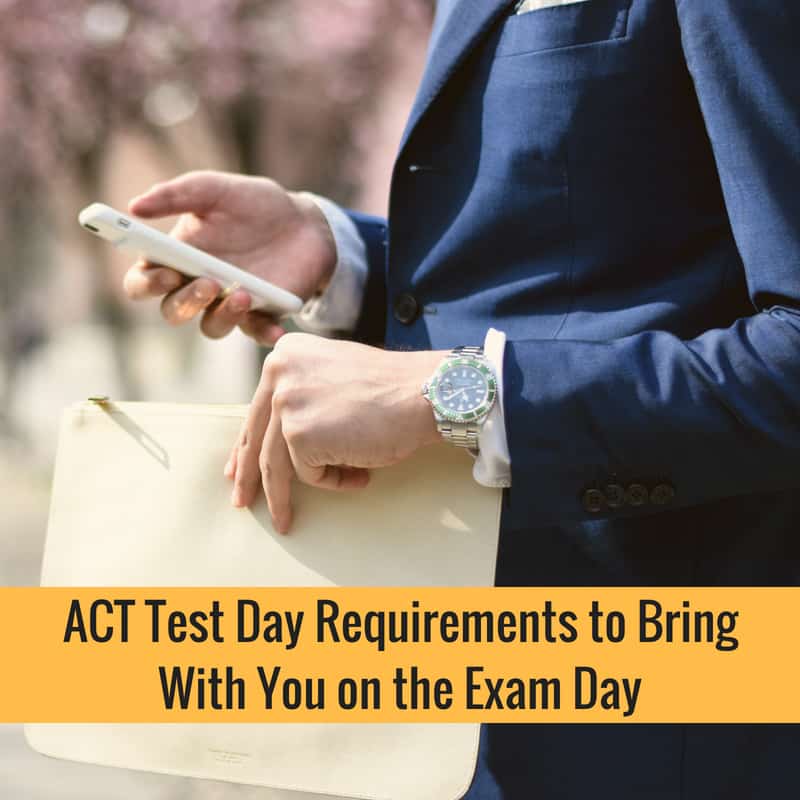
ACT test day requirements: bring your printed admission ticket, an acceptable photo ID, No. 2 pencils (not mechanical) and a permitted calculator.
Why smart students score low on the ACT: several subjects, strict time limits, and tricky answer choices. Learn how to change the way you study.
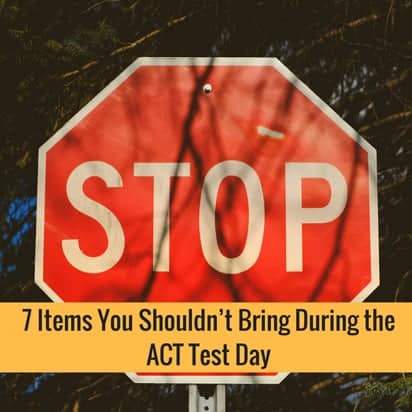
Don't bring phones, smartwatches, notes, pens, highlighters, correction fluid, or tobacco to the ACT. See what is banned and what happens if you do.
SAT vs ACT: the digital SAT has 2 sections and 98 questions; the ACT has 3 core sections plus optional science. Compare timing, scoring and fees.